
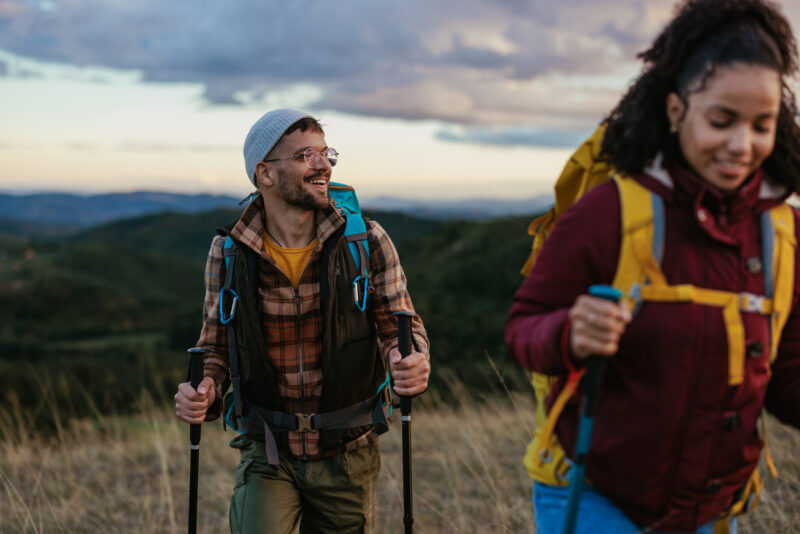
The call of the wild is undeniable, and for many, a hiking trip represents the perfect blend of adventure, tranquility, and physical challenge. Whether you’re dreaming of serene forest paths or breathtaking mountain vistas, preparing for your first hiking trip can seem daunting. This comprehensive guide will equip you with the knowledge and confidence needed to ensure your inaugural journey into nature is not only safe and enjoyable but also unforgettable. Understanding the essentials before you step onto the trail is key to transforming potential challenges into cherished memories.
Embarking on your first hiking adventure is an exciting milestone. With the right preparation, you can confidently tackle new trails, enjoy stunning scenery, and cultivate a lifelong love for the outdoors. This article will walk you through everything from essential gear to crucial planning steps, ensuring you know exactly how to prepare for your first hiking trip.
Key Takeaways
- Gear Up Smart: Prioritize appropriate footwear, layered clothing, sufficient water, and navigation tools.
- Plan Your Route Wisely: Choose beginner-friendly trails, check weather forecasts, and always inform someone of your plans.
- Physical Preparation Matters: Gradually build stamina and strength to enjoy your hike comfortably and safely.
- Embrace Trail Etiquette: Practice Leave No Trace principles to preserve the natural beauty for everyone.
Essential Gear for New Hikers: What to Pack
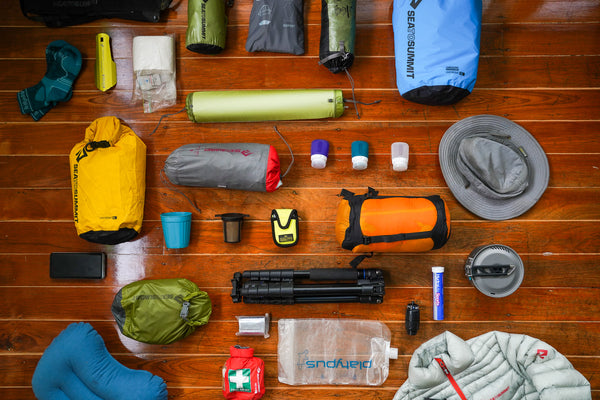
According to atlantatrails.com, One of the most critical aspects of knowing how to prepare for your first hiking trip involves assembling the right gear. Don’t fall into the trap of overpacking or underpacking. Focus on functionality, safety, and comfort. The right equipment can make all the difference between a challenging ordeal and an exhilarating experience.
Footwear: Your Foundation for the Trail
Your feet are your most important assets on any hike. Invest in quality hiking shoes or boots that provide good ankle support, adequate cushioning, and a strong grip. Trail running shoes can work for shorter, less rugged trails, but for varied terrain, a proper hiking boot is often recommended. Ensure they are broken in before your trip to avoid blisters. Pairing them with moisture-wicking socks (wool or synthetic) will further enhance comfort and prevent rubbing. Avoid cotton socks, as they retain moisture and can lead to blisters.
Layering for Comfort and Safety
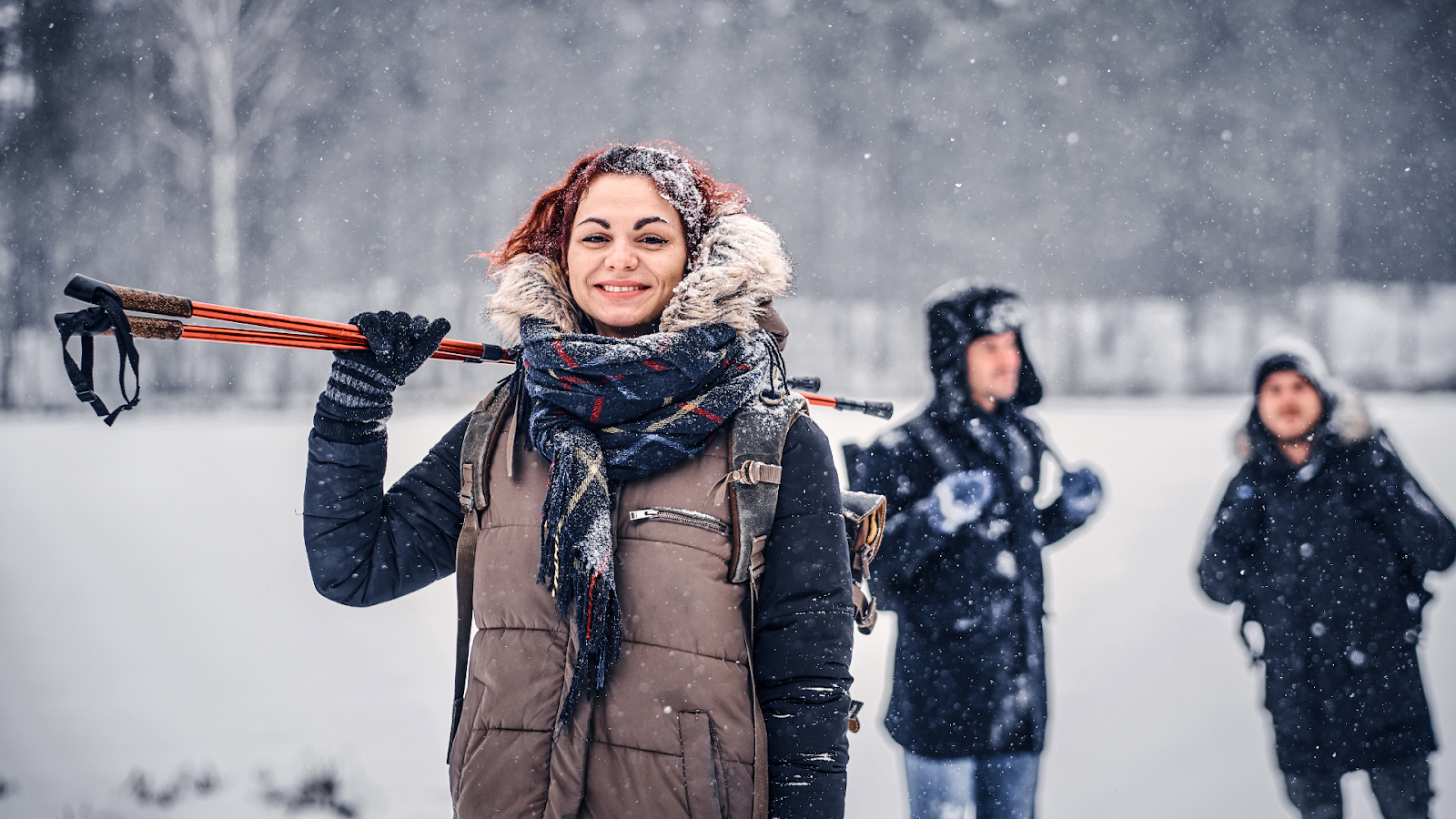
Weather conditions in the outdoors can change rapidly, even on short hikes. Dressing in layers allows you to adjust to temperature fluctuations and stay comfortable. The typical layering system includes:
- Base Layer: Wicks moisture away from your skin (e.g., synthetic or merino wool t-shirt).
- Mid-Layer: Provides insulation (e.g., fleece jacket or lightweight down vest).
- Outer Layer: Protects against wind and rain (e.g., waterproof and windproof jacket).
Always pack an extra layer, even on what seems like a warm day, as temperatures can drop quickly, especially at higher elevations or when the sun sets.
The “Ten Essentials” for Every Hiker
While the complete “Ten Essentials” can vary slightly, the core concept remains the same: items for safety and survival in the backcountry. For your first hiking trip, focus on these critical items:
- Navigation: Map and compass (and know how to use them!) or a fully charged GPS device/smartphone with downloaded maps.
- Sun Protection: Sunscreen, sunglasses, and a wide-brimmed hat.
- Insulation: Extra layers of clothing, even in warm weather.
- Illumination: Headlamp or flashlight with extra batteries.
- First-Aid Supplies: A basic kit for cuts, blisters, and minor injuries.
- Fire Starter: Waterproof matches or a lighter.
- Repair Kit and Tools: Knife or multi-tool.
- Nutrition: Extra food, energy bars, or trail mix.
- Hydration: Water bottles or a hydration reservoir with sufficient water for your hike.
- Emergency Shelter: Lightweight tarp or emergency blanket.
A comfortable backpack to carry these items is also crucial. Choose one that fits well and distributes weight evenly.
Planning Your Route and Knowing Your Limits
Beyond the gear, successful first hiking trip preparation hinges on meticulous planning. This isn’t just about finding a trail; it’s about understanding its demands and matching them to your capabilities. Safety should always be your top priority.
Researching Your Trail
Start by selecting a trail that’s appropriate for beginners. Look for trails labeled “easy” or “moderate” with relatively short distances (e.g., 2-5 miles) and minimal elevation gain. Websites like AllTrails, national park service sites, or local trail guides are excellent resources. Pay attention to:
- Distance and Elevation: How long is the trail and how much climbing is involved?
- Terrain: Is it rocky, paved, muddy, or sandy?
- Reviews and Recent Conditions: What do other hikers say? Are there any recent closures or hazards?
- Water Sources: Are there any available, or do you need to carry all your water?
Do not attempt a difficult trail for your first outing. Gradual progression is key to building confidence and endurance.
Checking the Forecast and Telling Someone Your Plans
Always check the weather forecast for the specific area you plan to hike. Be prepared for rain, wind, or unexpected drops in temperature. If the forecast looks severe (e.g., thunderstorms, heavy rain, extreme heat), consider postponing your trip. Equally important, always inform a trusted friend or family member of your hiking plans. Provide them with details such as:
- Your chosen trail and route.
- Your estimated start and finish times.
- Who you are hiking with (if anyone).
- When you expect to check in after your hike.
This “leave a plan” strategy is a fundamental safety measure that can be life-saving in an emergency.
Physical Preparation and Trail Etiquette
Knowing how to prepare for your first hiking trip isn’t just about what you carry; it’s about how you carry yourself. Physical readiness and respect for the environment are vital for an enjoyable and responsible experience.
Building Stamina Gradually
While you don’t need to be an Olympic athlete, some level of fitness will significantly enhance your hiking experience. Start with regular walks in your neighborhood, gradually increasing distance and incorporating some hills if possible. Focus on cardiovascular fitness and leg strength. If possible, walk on uneven terrain to prepare your ankles and knees. Hydrate well in the days leading up to your hike and ensure you get enough sleep.
The “Leave No Trace” Philosophy
As new hikers, it’s crucial to adopt the “Leave No Trace” principles. These guidelines help minimize human impact on the environment:
- Plan Ahead and Prepare: As discussed above!
- Travel and Camp on Durable Surfaces: Stay on marked trails to prevent erosion.
- Dispose of Waste Properly: Pack it in, pack it out – including all trash, food scraps, and toilet paper.
- Leave What You Find: Do not remove natural objects or disturb cultural artifacts.
- Minimize Campfire Impacts: Use established fire rings, or better yet, a stove for cooking.
- Respect Wildlife: Observe from a distance, never feed animals.
- Be Considerate of Other Visitors: Yield to uphill hikers, keep noise levels down.
Adhering to these principles ensures that the beauty of nature remains intact for future generations.
Conclusion
Preparing for your first hiking trip is an exciting journey in itself. By focusing on essential gear, thorough planning, physical readiness, and responsible trail behavior, you’ll set yourself up for a safe, enjoyable, and rewarding experience. Remember, every expert hiker was once a beginner. Start small, learn from each outing, and soon you’ll be confidently exploring new horizons. The wilderness awaits, and with this guide on how to prepare for your first hiking trip, you’re ready to answer its call.
Frequently Asked Questions (FAQ)
What kind of shoes do I need for my first hike?
For your first hike, sturdy, closed-toe shoes with good grip are essential. While specialized hiking boots offer the best support and protection, trail running shoes or even athletic sneakers with good tread can suffice for shorter, less challenging trails. Prioritize comfort and make sure they are broken in.
How much water should I carry?
A good rule of thumb is to carry at least 0.5 to 1 liter of water per hour of hiking, depending on the trail difficulty, weather, and your personal hydration needs. For a 2-3 hour hike, 1.5-2 liters is a safe starting point. Always carry more than you think you’ll need, especially on warmer days.
What should I pack for snacks?
Pack calorie-dense, easy-to-eat snacks that provide sustained energy. Good options include trail mix, nuts, dried fruit, energy bars, granola bars, and fruit (like an apple or banana). Avoid anything that requires refrigeration or can easily get squashed.
Is it safe to hike alone as a beginner?
While many experienced hikers enjoy solitude, it’s generally recommended for beginners to hike with a companion or a group. If you do choose to hike alone, select a well-trafficked, easy trail, ensure you’ve told someone your exact plans and expected return time, and carry all the “Ten Essentials” for safety.
