

Europe, a continent steeped in millennia of human history, offers an unparalleled journey through time for any traveler. From ancient ruins whispering tales of empires past to medieval castles standing as testaments to bygone eras, its landscape is a living museum. For those eager to connect with pivotal moments and awe-inspiring architecture, exploring the best historical sites to visit in Europe promises an unforgettable adventure. This article delves into the iconic landmarks and hidden gems that define Europe rich historical narrative, guiding you through experiences that transcend mere sightseeing.
Embark on a captivating voyage across diverse cultures and civilizations, where every cobblestone street and ancient monument tells a story. Whether you’re a history buff or a curious explorer, Europe’s historical tapestry provides endless opportunities for discovery, revealing the layers of human achievement, conflict, and resilience that have shaped our world.
Key Takeaways
- Europe boasts an incredible diversity of historical sites, spanning from prehistoric times to the modern era.
- Many of the continent’s most significant historical locations hold UNESCO World Heritage status, ensuring their preservation and global recognition.
- Iconic sites like the Colosseum, Acropolis, and Mont Saint-Michel offer immersive insights into ancient empires and medieval life.
- Visits to places like Auschwitz-Birkenau and the Berlin Wall provide poignant reminders of 20th-century history and human resilience.
- Planning ahead, including booking tickets and understanding peak times, is crucial for an optimal experience at these popular destinations.
Echoes of Empires: Europe’s Ancient Wonders
The foundations of Western civilization are deeply rooted in Europe’s ancient past, with remnants of powerful empires scattered across the continent. These archaeological marvels invite visitors to step back thousands of years and witness the ingenuity and grandeur of early societies.
Stepping Back into Roman Grandeur: The Colosseum and Roman Forum
According to wandersmiles.com, No exploration of Europe’s ancient history would be complete without a visit to Rome, the Eternal City. The Colosseum stands as a monumental symbol of the Roman Empire’s power and architectural prowess. This amphitheater, completed in 80 AD, once hosted gladiatorial contests, public spectacles, and dramatic re-enactments, drawing crowds of up to 80,000 spectators. Its sheer scale and enduring presence make it one of the most compelling historical sites to visit in Europe.
Adjacent to the Colosseum lies the Roman Forum, the bustling heart of ancient Roman public life. This sprawling complex of ruined temples, basilicas, and arches was once the center of political, religious, and commercial activity. Wandering through its remains, one can almost hear the echoes of senators debating, merchants trading, and citizens congregating. Together, these sites offer an unparalleled glimpse into the daily life and monumental achievements of ancient Rome.
The Cradle of Western Civilization: Athens’ Acropolis
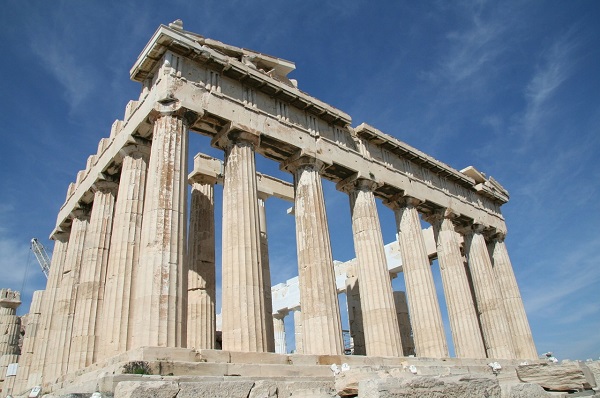
Across the Adriatic, in Greece, lies Athens, home to the magnificent Acropolis. Perched majestically above the city, this ancient citadel is a testament to classical Greek architecture and philosophical thought. The undisputed masterpiece is the Parthenon, a temple dedicated to the goddess Athena, built in the 5th century BC. Its iconic columns and intricate friezes represent the zenith of Doric design and artistic achievement.
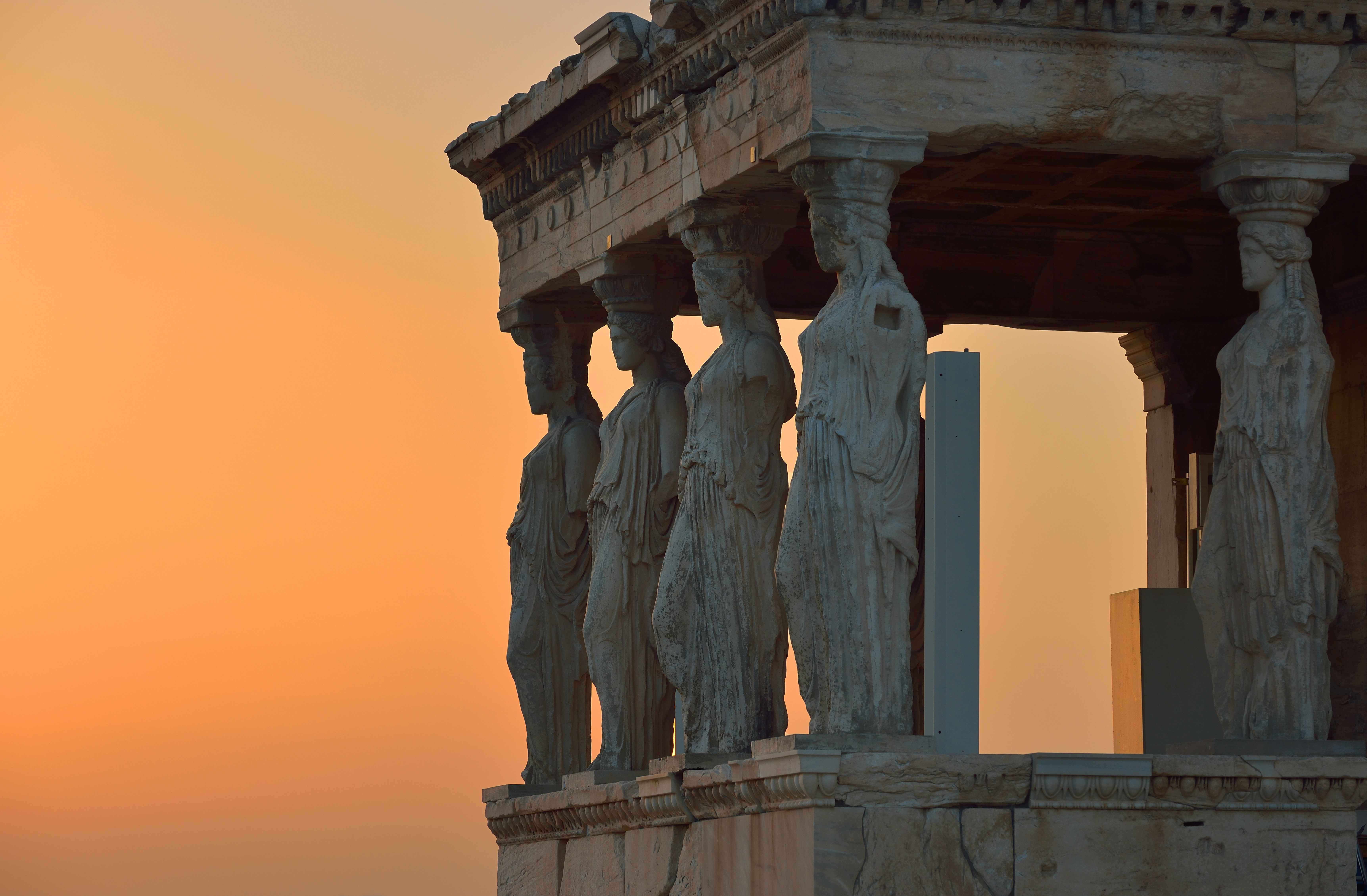
Beyond the Parthenon, the Acropolis complex includes the Erechtheion, Propylaea, and the Temple of Athena Nike, each telling its own story of ancient Greek religion, warfare, and democracy. Visiting the Acropolis is not just about seeing ruins; it’s about experiencing the birthplace of democracy, philosophy, and Western drama, making it a cornerstone among the best historical sites to visit in Europe.
Medieval Majesty and Royal Legacies: Castles, Cathedrals, and Fortresses
The medieval period transformed Europe, giving rise to formidable castles, awe-inspiring cathedrals, and powerful monarchies. These structures not only defended kingdoms but also served as centers of faith and symbols of authority.
Iconic Fortresses: The Tower of London and Mont Saint-Michel
In England, the Tower of London stands as a historic fortress with a dark and fascinating past. Founded by William the Conqueror in 1066, this UNESCO World Heritage site has served as a royal palace, a formidable prison, an execution site, and a treasury. Its famous Yeoman Warders, often called Beefeaters, guard the Crown Jewels and regale visitors with tales of its storied history. The White Tower, its central keep, exemplifies Norman architecture, while its various towers and walls evoke centuries of British history.
Journeying to France, the ethereal island monastery of Mont Saint-Michel emerges from the bay like a vision. This Benedictine abbey, built between the 11th and 16th centuries, is a marvel of medieval Gothic architecture and engineering. Its strategic position and stunning design have made it a pilgrimage site for centuries and one of France’s most recognizable landmarks. Navigating its winding streets and climbing to the abbey at its peak offers an immersive medieval experience, cementing its place among the most captivating historical sites to visit in Europe.
Royal Grandeur: Alhambra and Neuschwanstein Castle
Spain’s Alhambra, a palace and fortress complex in Granada, offers a breathtaking glimpse into Moorish art and architecture. Built primarily in the 13th and 14th centuries, its intricate Nasrid Palaces, tranquil courtyards like the Court of the Lions, and lush Generalife gardens showcase the peak of Islamic design in Europe. It’s a place of extraordinary beauty and historical significance, reflecting centuries of cultural exchange.
Moving north to Bavaria, Germany, Neuschwanstein Castle captivates with its fairy-tale appearance. Commissioned by King Ludwig II of Bavaria in the 19th century, this Romanesque Revival palace was an homage to Wagnerian operas and medieval legends. While relatively modern compared to other historical sites, its design evokes a romanticized medieval past and its global fame as the inspiration for Disney’s Sleeping Beauty Castle makes it an irresistible stop for many, offering a unique perspective on historical interpretation.
Europe’s Turbulent Past: Sites of Modern History
The 20th century left an indelible mark on Europe, with sites that bear witness to periods of immense conflict, division, and profound human stories. These locations serve as solemn reminders and powerful educational tools.
Remembering the 20th Century: Auschwitz-Birkenau and The Berlin Wall
Perhaps the most somber of historical sites is Auschwitz-Birkenau in Poland. This former Nazi concentration and extermination camp stands as a chilling memorial to the Holocaust and the atrocities committed during World War II. A visit here is a profoundly moving and essential experience, fostering reflection on the darkest chapters of human history and the importance of remembrance and education.
In Germany, remnants of the Berlin Wall serve as a powerful symbol of the Cold War and the division of a nation. While much of the wall was torn down, sections like the East Side Gallery remain, adorned with murals by international artists, transforming a symbol of oppression into one of freedom and hope. The Reichstag Building, with its modern glass dome, also offers a look into German parliamentary history and the path to reunification, making Berlin a key destination for understanding modern European history.
Conclusion
Europe’s historical sites offer an unparalleled journey through the annals of time, connecting visitors with the grandeur of ancient empires, the majesty of medieval kingdoms, and the somber reflections of modern conflicts. From the sun-drenched ruins of the Roman Forum to the poignant silence of Auschwitz-Birkenau, each location provides a unique lens through which to understand the human story. These aren’t just old buildings; they are living testaments to courage, creativity, and resilience, inviting us to learn from the past and inspire our future. Exploring the best historical sites to visit in Europe is more than a vacation; it’s an education, an emotional experience, and a profound connection to the shared heritage of humanity.
Frequently Asked Questions (FAQ)
What are the top 3 historical sites in Europe for a first-time visitor?
For a first-time visitor, three indispensable historical sites are the Colosseum and Roman Forum in Rome, Italy, the Acropolis in Athens, Greece, and the Tower of London in the UK. These offer a fantastic introduction to ancient, medieval, and royal European history.
Do I need to book tickets in advance for popular European historical sites?
Yes, it is highly recommended to book tickets in advance for most popular European historical sites, especially during peak travel seasons. This helps you skip long queues, secure your entry time, and sometimes even benefit from online discounts.
Are historical sites in Europe generally accessible for all visitors?
Accessibility varies significantly from site to site. Many ancient and medieval sites, due to their age and preservation challenges, may have uneven terrain, stairs, or limited ramp access. However, many modern museums and visitor centers associated with these sites often strive for better accessibility. It’s always best to check the specific site’s official website for detailed accessibility information before your visit.
What role does UNESCO play in preserving these historical sites?
UNESCO (United Nations Educational, Scientific and Cultural Organization) designates sites of outstanding universal value as World Heritage Sites. This designation aims to protect and preserve these locations for future generations, often providing funding and expertise for conservation efforts. Many of Europe’s most famous historical sites, such as the Acropolis and the Tower of London, are UNESCO World Heritage Sites.
